
Recently, a distant cousin emailed me about our mutual Driggers family line that lived in Clarendon, Williamsburg, Berkeley and Dorchester counties. This family line has always been somewhat hotly debated among ancestors concerning their origins. I am not going to delve too deeply into all the theories but most agree that family has always been considered racially mixed. In our correspondence, he mentioned a Church that many of his Driggers ancestors attended that was located in Summerville, S.C. What really got my attention was he mentioned that the Church had been established to serve the “Summerville Indians”. I had never heard this term before and definitely wanted to find out more.
In 1883, Rev. Legrande F. Guerry (father of the late Bishop Alexander Guerry) who was the pastor of St. Paul’s Episcopal Church in Summerville, South Carolina, decided to attempt outreach to the people in the more rural areas outside of the city. Many of these people were referred to as “Summerville Indians” because they were believed to be mixed race descendants of local Native American tribes. He approached a Mrs. Driggers who he felt would have a degree of influence as she had a large number of children and grandchildren in the area. This particular Mrs. Driggers is never identified by her first name but some possibilities include Hester Driggers, Celia Driggers, Nancy Burbage Driggers, and Martha Driggers. Though Mrs. Driggers was a Baptist, she welcomed the preacher into her home and the first meetings were held there and were attended by many children (many who were her grandchildren) and a few adults.
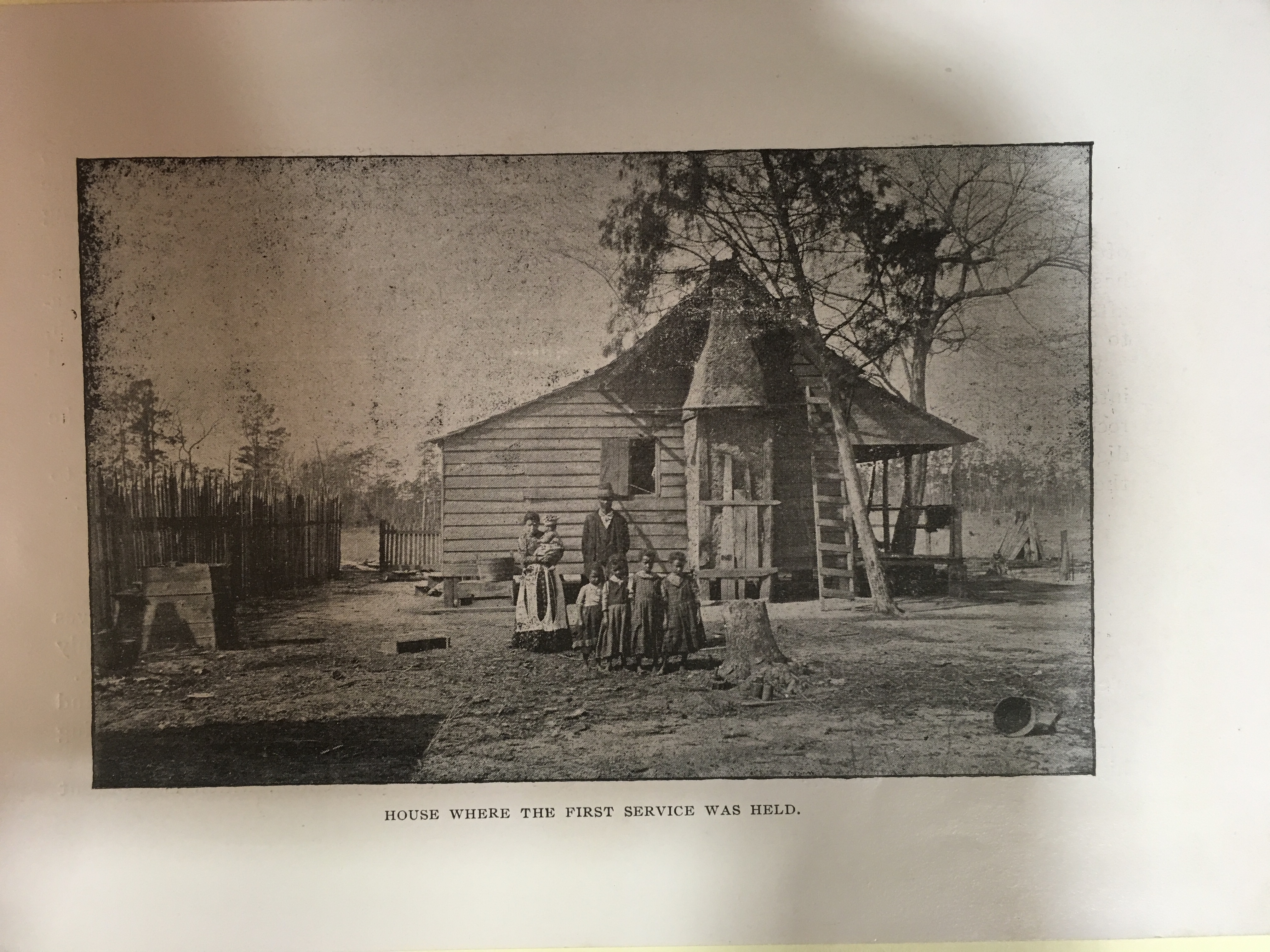
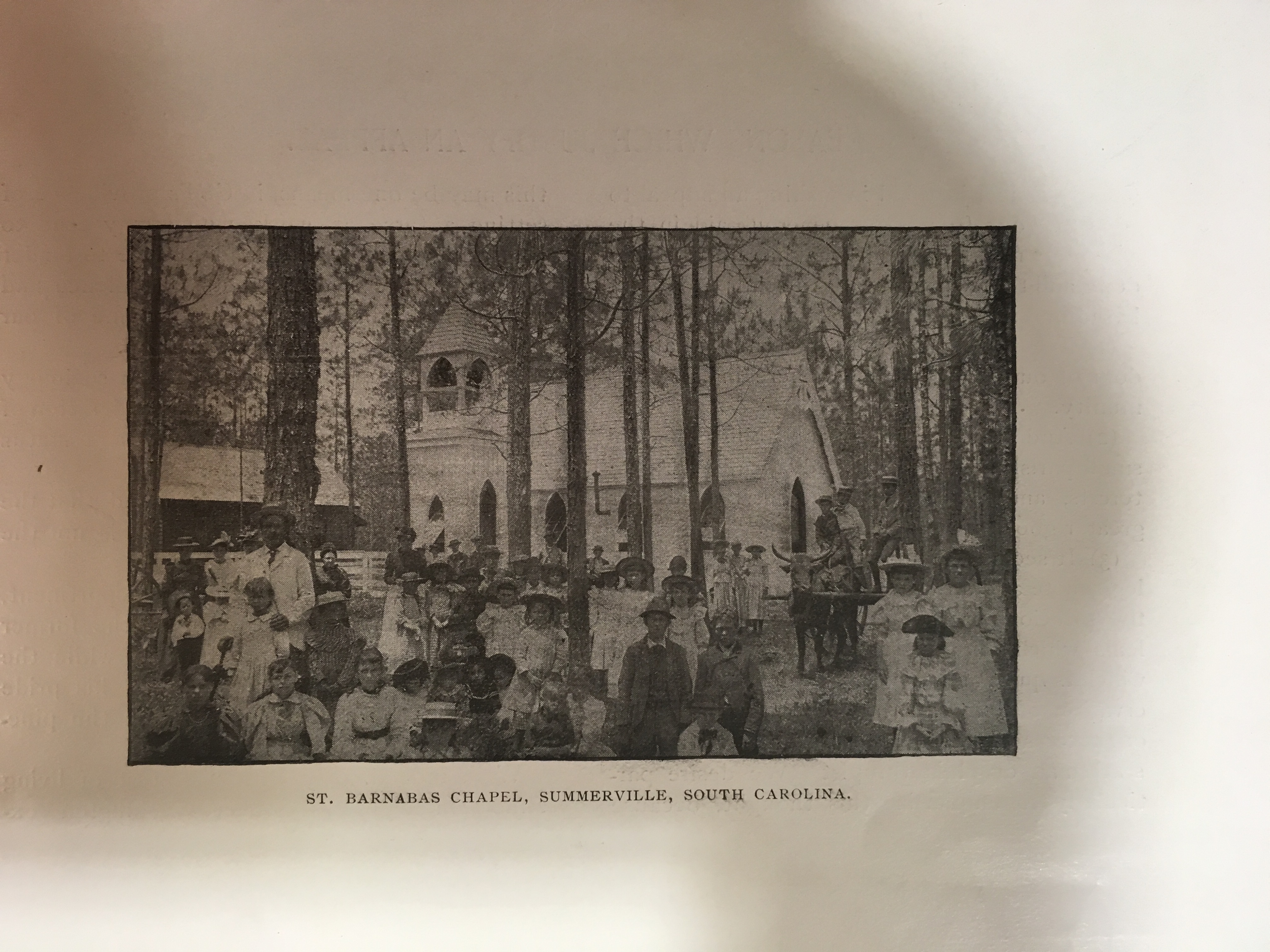
After several years, the number of people attending grew and Rev. Guerry obtained permission to build a small building on a vacant lot to house a school house. The building was put up by the Reverend and some of his small flock. Services were held there as well as school being taught. After several more years, this building became too small to serve the needs of those who attended and the Mission began looking for alternatives. The chapel was consecrated on Easter Monday of 1895 by Bishop Capers.
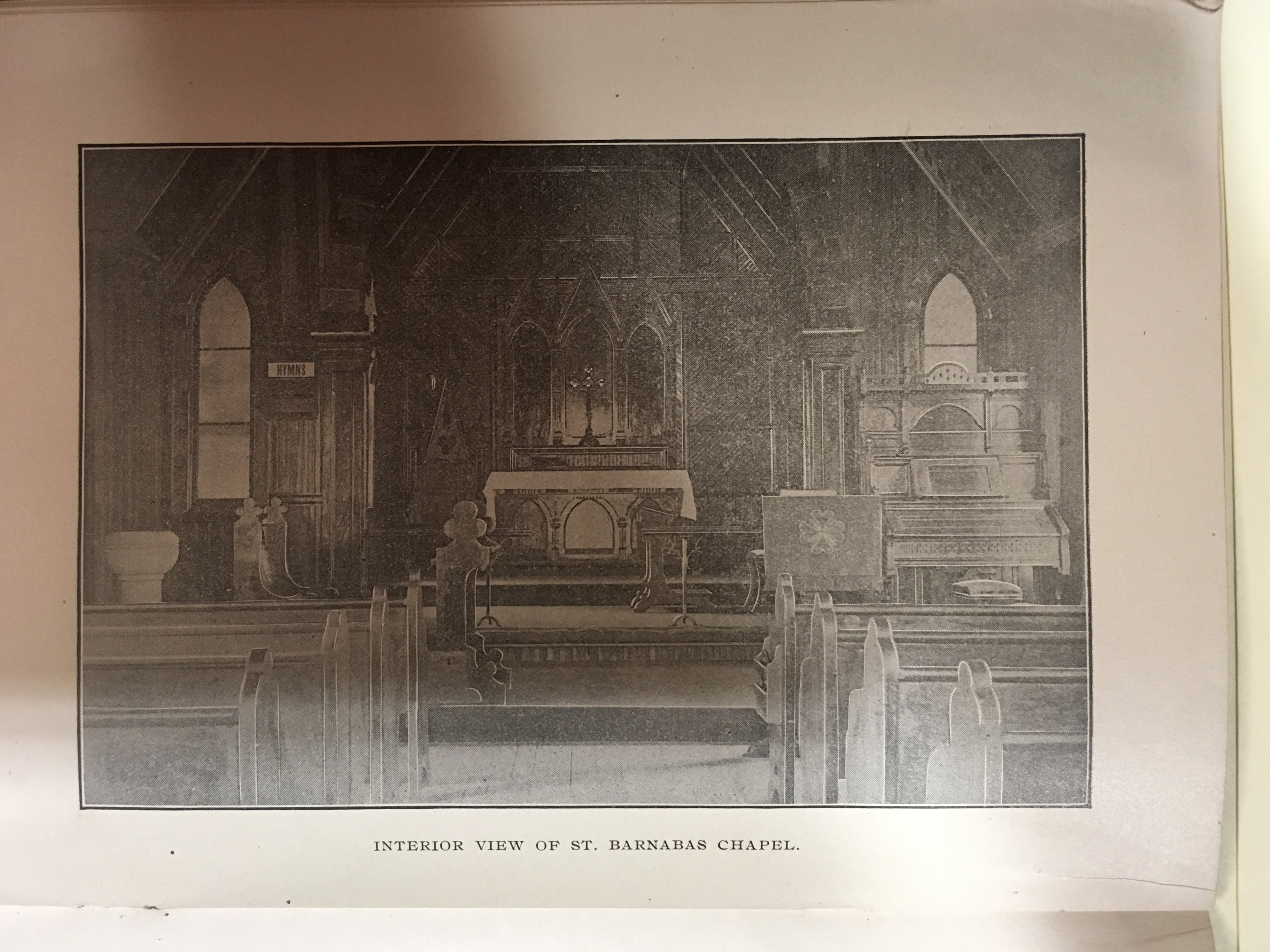
A biracial woman by the name of Kitty Springs, born Catherine Smith, who had been involved with the Mission for many years, donated a small piece of land. She also mortgaged one of her cottages and took out a loan to gather funds for the new building. In the future, I would like to do more research on Kitty Springs as she seems to have been quite a trailblazer for the times. Construction of the Chapel began around October of 1887 and was built at the intersection of Main Street and Highway 78 in Summerville. The structure was built in the late Gothic style and has an interior of Georgia Pine. An alter which was made by cabinet maker Jeff Braid and reading desk were presented to the Mission in July of 1888. A bell tower was added in August, 1894, followed by a bell in November. The bell was rung for the first time on the death of Bishop William B. W. Howe (Date is not noted). By 1896, the Mission was serving 42 families made up of 185 people.
Rectors of the Missionl included: Rev. LeGrande Guerry, Rev. Percival Whaley, Rev. James Glass, Rev. Carl Jagar, Rev. A. Ernest Cornish, and Rev. F. W. Ambler.
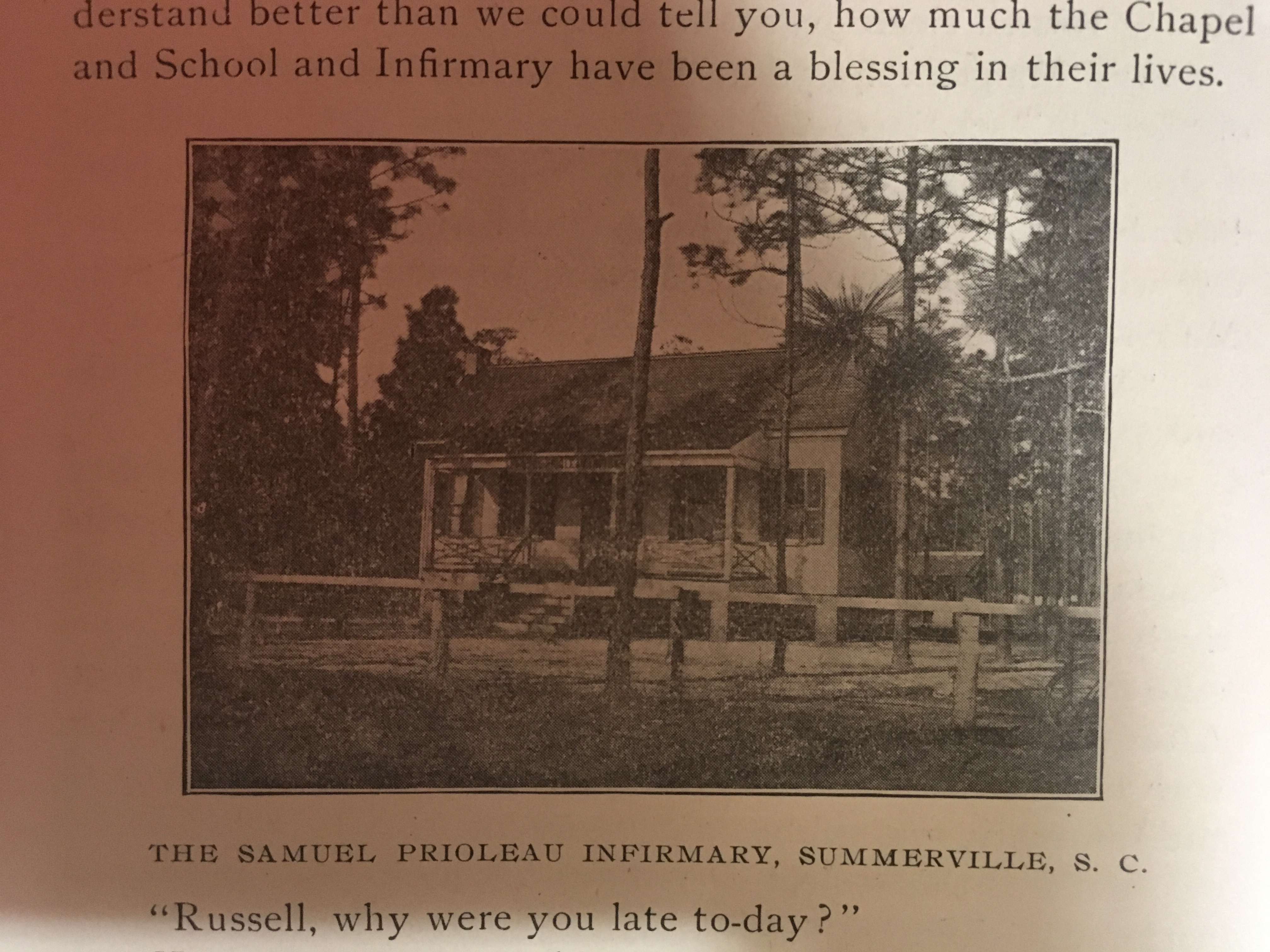
Around 1896, the Mission also began being used as a charitable infirmary run by William Russell Dehon. Mr. Dehon is also credited with helping to build the chapel and was a lay reader within the church. The Prioleau Infirmary which later became to Dorchester Hospital is said to be a direct offshoot from the mission work. Dr. Samuel Priouleau was the town doctor and Miss Aimee Parker was the nurse who served the community.
The Shepard School was built on the property around 1900 and served the community as a day school. By 1930, the students had been absorbed into the regular school system. The following women worked at the school as teachers throughout its existence: Miss Lelia Anderson, Miss Lise Thompson, Miss Caroline Dickenson, Mrs. Claudia Fishburne Thurston, Miss Minnie Marshall, Miss Olive Veronee, Mrs. Maggie Lou Waters Carpenter, Mrs. Kate Simons Cornish, Mrs. Mary Smith Hutchinson, Mrs. E. H. Hutchinson, Mrs. William Doar, and Mrs. George Tupper.
In 1939, St. Barnabas Mission became dormant and was sold in 1945 to the Reformed Episcopal Church to use as a seminary and was moved about a half mile to the site of the Cummins Theological Seminary. It was renamed the Bishop Pengelley Memorial Chapel. In 1981, it was moved again to its present location at 705 S. Main Street in Summerville and is known as St. Paul’s Reformed Episcopal Church.
For more information about the Driggers family visit:
PBS Frontline: The Blurred Racial Lines of Famous Families
Sources
Kwist, Margaret Scott. Porch Rocker Recollections of Summerville, South Carolina. Summerville, South Carolina: Linwood Press, Inc., 1980.
Marshall, Martha B. Stories from the Mission Field in the Pinelands Of South Carolina. Round Robin to the Junior Auxiliary Series, Publication no. 34. Hartford, Connecticut: Church Missions Publishing Company, 1900.
St. Barnabas Mission. In St. Paul’s Parish, Summerville, S.C. Pamphlet. The Vestry of St. Paul’s Church, Summerville, S.C. 11 February 1896.
St Barnabas Mission (Summerville, South Carolina). Registry and Ledger 1885-1898. South Carolina Historical Society, Charleston.
South Carolina. Charleston. News and Courier. 17 November 1946.
South Carolina. Charleston. The Post and Courier. 23 April 2012.
South Carolina Picture Project. https://scpictureproject.org : 2018.
Thorndale, William and William Dollarhide. Dorchester County, South Carolina Historic Resources Survey. Baltimore, Maryland: Genealogical Publishing Co., Inc., 1987.